
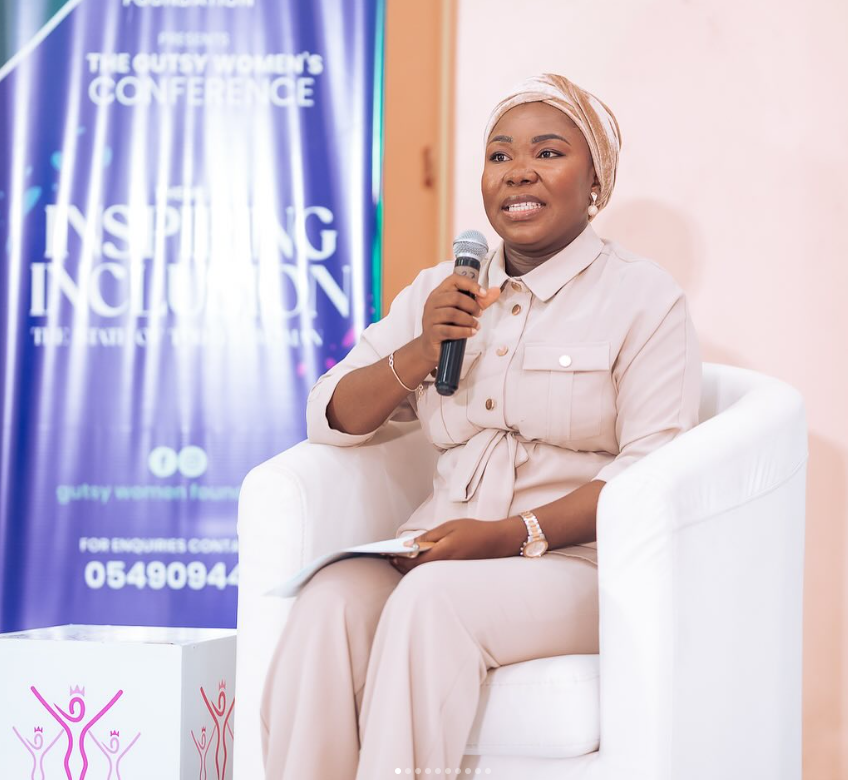
In our mentor spotlight series, Abena shares how she left a corporate career to bootstrap a supply-chain company and what she wishes she had known.
Abena Asante built her logistics company from nothing but a laptop, a phone and an obsessive understanding of how supply chains break in West Africa. Today her company employs 28 people and is expanding into Togo and Côte d'Ivoire. She will be one of the lead mentors at Cohort 2, and she sat down with us to talk honestly about what it took.
GWF: You left a well-paid corporate role to start Asante Supply Co. What was going through your head?
Abena: Honestly? Terror. I had a good salary, health coverage and a title that impressed people at dinner parties. But I was watching supply chains fail around me every day and thinking — I understand this problem better than most people in this room. If I stay quiet and comfortable, someone else will solve it poorly. That thought was more uncomfortable than the risk.
GWF: The early years were difficult. What did you get wrong?
Abena: I thought the product would sell itself because the problem was obvious. I did not invest enough in relationships. In Ghana — in West Africa broadly — trust moves before contracts. I had a great logistics solution but no one knew me well enough to bet their business on me. I spent the first eighteen months rebuilding that social capital from scratch. That is time I could have saved if I had listened better earlier.
GWF: What does good mentorship look like to you?
Abena: A good mentor tells you what you cannot see because you are too close to the thing. They do not tell you what to do — they ask you the questions that force you to see clearly. The best mentor I ever had never gave me a single answer. She just kept asking "and then what?" until I had worked through the consequences of my own logic. That kind of challenge is uncomfortable. It is also irreplaceable.
GWF: What will you focus on with the Cohort 2 participants?
Abena: Operations and the mindset underneath operations. Most early-stage founders are great at selling the vision. Very few have thought carefully about how the product actually reaches the customer at a cost that works. I want to help women think about that before they have learned it the expensive way.
GWF: What do you wish someone had told you at the beginning?
Abena: That asking for help is strategy, not weakness. I wasted so much time trying to figure things out alone because I thought that was what real entrepreneurs did. The ones who move fastest are the ones who are relentlessly resourceful — and that means being willing to say "I don't know, but I know someone who does."
We are glad Abena is that person for Cohort 2.